marka-logo

MY FIRST PEN

Your child's first pencil, the first step in their development

Not just an ordinary crayon, but a proper starting tool, specially designed for the fine motor development of children aged 2-3 years.

MY FIRST PEN
Instant Results, Real Self-Confidence

Instant Results, Real Self-Confidence

The feeling of accomplishment on the first line.

2-3 year old children want to see the result of their actions immediately. Thanks to DOODLE's vibrant colors and soft texture containing natural wax, even the lightest touch leaves a distinct mark.

What does this provide?

  • Children's pen He won't give up
  • He wants to try again and again
  • His self-confidence naturally strengthens
The importance of the right pen at the right age.

The importance of the right pen at the right age.

Because every first step sets the direction.

The first pencil given to a 2-year-old child is not just a drawing tool. That pencil is a neuromotor planner that determines how the relationship between the hand, fingers, and brain will be established.

In children who start with the wrong pencil:

  • Incorrect muscle groups are activated
  • Hand-wrist balance is disrupted.
  • Quick fatigue and lack of motivation occur.

These habits extend from writing to sports, from music to daily life skills.

What stage is my child in?

Let's learn together.

What does my child do at this stage?

Takes the pencil in the palm, grips it with the whole hand. Movement mostly comes from the elbow or shoulder; drawings look like scribbles. Even if lines look meaningless, it's completely normal. This is the period when the brain learns marking and eye-hand coordination.

What should the parent do at this stage?

Don't force them to hold it correctly. At this age, the goal is not perfect grip but enjoying drawing. Give the child wide space and freedom: use large papers, boards, or cardboard surfaces. Keep drawing short and enjoyable (even a few minutes a day is enough).

How does Doodle help at this stage?

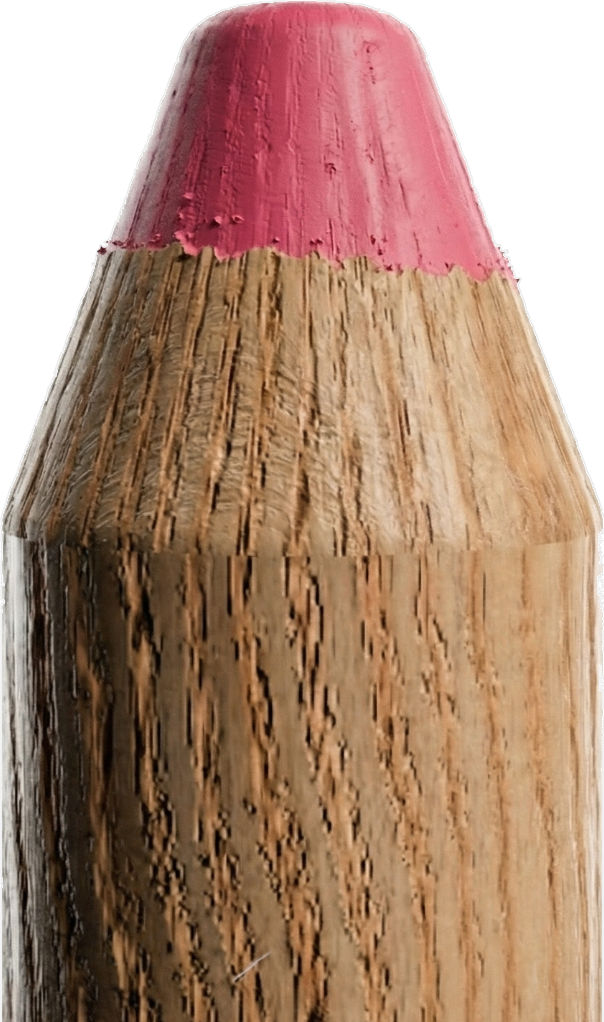
Suitable for palm gripping thanks to its thick body; the child holds it more comfortably and tries for longer. Marks with a light touch thanks to the soft and wide tip; the child gets the 'I succeeded' feeling immediately.

Handful

What does my child do at this stage?

Takes the pencil in the palm, grips it with the whole hand. Movement mostly comes from the elbow or shoulder; drawings look like scribbles. Even if lines look meaningless, it's completely normal. This is the period when the brain learns marking and eye-hand coordination.

What should the parent do at this stage?

Don't force them to hold it correctly. At this age, the goal is not perfect grip but enjoying drawing. Give the child wide space and freedom: use large papers, boards, or cardboard surfaces. Keep drawing short and enjoyable (even a few minutes a day is enough).

Claw

What does my child do at this stage?

Takes the pencil in the palm, grips it with the whole hand. Movement mostly comes from the elbow or shoulder; drawings look like scribbles. Even if lines look meaningless, it's completely normal. This is the period when the brain learns marking and eye-hand coordination.

What should the parent do at this stage?

Don't force them to hold it correctly. At this age, the goal is not perfect grip but enjoying drawing. Give the child wide space and freedom: use large papers, boards, or cardboard surfaces. Keep drawing short and enjoyable (even a few minutes a day is enough).

How does Doodle help at this stage?

Suitable for palm gripping thanks to its thick body; the child holds it more comfortably and tries for longer. Marks with a light touch thanks to the soft and wide tip; the child gets the 'I succeeded' feeling immediately.

Crucial information:

The real transition starts when the Doodle shortens. There is a mark or line on the Doodle. When it shortens to that line, the child can no longer fully close the pencil in their palm. This is no coincidence; on the contrary, it triggers grip development. So don't think it's over when the pencil shortens. Continuing to use it at that point facilitates the child's transition to the pincer grip.

Tripod

A child's first statement

Natural and Safe Paint

The first drawings were made from natural wax and natural pigments.

Correct Grip for Little Hands

Easy grip, natural hold for little hands.

Controlled Grip

Thanks to its short body, the child is in control.

3 in 1

It's possible to do dry, wet, and even wax painting.
Product Focus

Parents can rest assured.

It's safer. It can be cleaned. Natural.

  • It is easily cleaned with a durable
  • wooden body
  • cloth with natural wax content,
  • does not leave permanent marks on furniture and surfaces.

The child's freedom increases,the parent's anxiety decreases.

Prof. Dr. Serdal Seven
Serdal Seven
Serdal Seven
Serdal Seven
Serdal Seven

From the Perspective of Educators

Well-designed tools like DOODLES don't accelerate a child's development – ​​they naturalize it.

The developmental chain from palm grip to claw grip, and then to tripod grip, is the most critical foundation for the transition to writing.

Our Experts
My First Pen

My First Pen

The pen is the first tool through which children learn not only to write but also to shape their thoughts. Learning to hold a pen supports many areas of development, from hand-eye coordination to focusing skills, from patience to expressive power.

My First Pen